
Canvas Prints vs Tapestry Wall Hangings: Choosing the Right Medium
TL;DR: Canvas prints give you crisp detail on a solid frame, starting at $15 for 8×8” up to $70 for 24×24”. Tapestry wall hangings give you massive wall coverage — 4×6 feet for $39. Canvas is better for fine detail, formal rooms, and gallery walls. Tapestry is better for big impact on a budget, dorms, rentals, and bold/abstract art. They are genuinely different products for different situations, not just “the same thing on different materials.”
You have generated a piece of AI art you genuinely love. Maybe it is a moody abstract landscape, or a hyperdetailed botanical illustration, or something psychedelic that you cannot stop looking at. Now comes the decision that most people underestimate: what do you print it on? Canvas and tapestry are not interchangeable — they have different textures, different price-per-square-foot economics, different visual characteristics, and they work in completely different types of spaces. Choosing wrong means either wasting money on a premium medium that does not suit the art, or missing out on detail that deserved a sharper presentation.
Here is everything you actually need to know to make the right call.
What do you want on your wall?
Type it. The AI generates it in seconds — then we print it on canvas from $15 or a 4×6 ft tapestry for $39.
Free to try, no sign-up · you only pay if you order a print
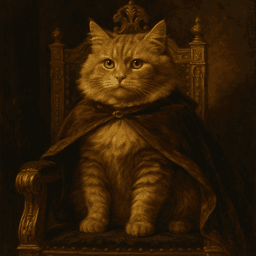
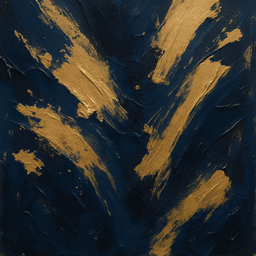


Generated, printed & in the shop
Canvas Prints: The Details
What You Actually Get
A canvas print is your AI art printed on archival-grade canvas material using pigment-based inks, then stretched taut over a solid wood frame (called a “stretcher bar”). The canvas wraps around the edges of the frame, giving it a gallery-style appearance with depth. It arrives ready to hang — no additional framing needed, no trip to a frame shop, no fumbling with mounting hardware. You take it out of the box, put a nail in the wall, and hang it. The whole thing takes about two minutes.
The canvas material itself has a subtle woven texture that adds a tactile, painterly quality to any image. If you have ever seen an actual oil painting up close, you know how the canvas weave gives the surface a warmth that a flat print on paper cannot match. That same effect happens here. Even AI-generated art, which originates as pixels on a screen, takes on a physical presence that makes it feel less “digital” and more like a crafted piece.
Print Quality
Detail reproduction is excellent. Fine lines, small text, intricate patterns, subtle color gradients — canvas handles all of it well. The archival inks produce vibrant, accurate colors that resist fading over time (we are talking years, not months). The slight canvas texture adds visual depth without obscuring detail, at least down to our sizes. Where canvas texture can become an issue is if you tried to print extremely fine photographic detail at a very large size, but at 8×8” through 24×24”, the texture enhances rather than detracts.
Colors appear slightly warmer on canvas compared to a glossy screen or paper print. This is generally a positive — warm tones make art feel more inviting in a living space — but it is worth knowing if color accuracy matters to you. Blues will still look blue, but they will have a hair more warmth than you see on your monitor.
Sizes and Pricing
We offer three square sizes, each designed for a different use case:
- 8×8” ($15) — A desk or shelf accent piece. Great for grouping in sets of three or four to create a gallery wall. At this size, the canvas is lightweight enough to hang with a Command strip if you are a renter.
- 16×16” ($35) — The bedroom and bathroom sweet spot. Large enough to be a statement piece in a smaller room, small enough to fit in hallways and above desks. This is our most popular size for good reason: it works almost everywhere.
- 24×24” ($70) — A living room focal point. This is the size that makes people stop and look. Above a sofa, over a fireplace, on a feature wall — this is where canvas as a medium really shines, because the stretcher bar gives the piece a substantial physical presence. Read our wall art size guide for help deciding which size fits your space.
Art Styles That Shine on Canvas
Canvas rewards detail. The sharper and more intricate your image, the more value you get from the medium. Styles that work especially well include: photorealistic images (the canvas texture makes them look like paintings rather than photos — this is a feature, not a bug), detailed illustrations with fine line work, portraits where facial detail matters, geometric patterns with crisp edges, and architectural scenes with precise perspective lines. Basically, if the beauty is in the details, choose canvas.
Honest Downsides
Canvas prints have weight. A 24×24” piece on a stretcher bar is not something you hang with a thumbtack. You need a proper nail or wall anchor, which means a hole in your wall. For renters, the smaller sizes (8×8”) are light enough for adhesive hooks, but the 24×24” really wants a nail. Canvas is also rigid — you cannot fold it for storage or roll it up when you move. And on a per-square-inch basis, canvas is significantly more expensive than tapestry for covering wall space. The 24×24” covers 4 square feet for $70. Compare that to tapestry numbers below.
Tapestry Wall Hangings: The Details
What You Actually Get
A tapestry wall hanging is your AI art printed on lightweight polyester fabric at 4×6 feet. That is a substantial piece — four feet wide, six feet tall. For context, a standard interior door is about 6’8” tall, so this tapestry is nearly door-height. It is a statement. The fabric is lightweight, machine-washable, and comes with options for hanging via rod pocket, clips, or even thumbtacks.
The visual effect is completely different from canvas. Where canvas feels precise and polished, tapestry feels warm, textile, and immersive. The fabric has a soft drape that gives it movement — it is not flat against the wall like a print, it has a slight dimensionality that catches light differently throughout the day. There is a reason tapestry wall hangings have been used in interior design for literally centuries. The medium has a presence that flat prints lack.
Print Quality
Colors are vibrant on our polyester fabric — reds pop, blues are deep, and high-contrast images look striking. The fabric surface diffuses detail slightly compared to canvas: fine lines soften, small text may lose legibility, and very subtle color gradients can flatten. This is not a defect; it is a characteristic of the medium. Bold designs look incredible on tapestry. Delicate, detailed designs lose something. This is the single most important factor in deciding between the two mediums, and it is the one most people do not think about until their order arrives.
Size and Pricing
One size: 4×6 feet, $39. That is 24 square feet of wall coverage for thirty-nine dollars. Let that sink in for a moment. A 24×24” canvas covers 4 square feet for $70. The tapestry covers six times the area for a little over half the price. If your goal is maximum visual impact per dollar, the math is not even close.
Art Styles That Shine on Tapestry
Tapestry loves boldness. The styles that work best include: abstract art with large color fields and sweeping shapes, landscapes where the broad scale adds immersion (imagine a forest scene that fills most of your wall), psychedelic and trippy patterns that benefit from being overwhelming, boho and mandala designs that have a natural affinity for fabric, and nature scenes with strong composition but not critical fine detail. If the beauty is in the impact rather than the details, choose tapestry.
Best Use Cases
Dorm rooms. Nothing else covers cinderblock walls this effectively for this price. A single tapestry transforms a dorm room from “institutional” to “this person has a personality.” It hangs with thumbtacks or adhesive clips, causes zero wall damage, and folds into a backpack when you move. Read our complete dorm wall art guide for more on this.
Rentals. Same logic as dorms: lightweight, damage-free, portable. When your lease is up, the tapestry goes in a bag and comes with you.
Bedrooms. Behind the bed is a classic tapestry placement that instantly makes a room feel cozy and finished. The fabric softens the acoustic qualities of the room too — a genuinely practical benefit.
Honest Downsides
One size fits… not all situations. The 4×6 foot dimension is great for large walls but too big for small rooms, hallways, or bathrooms. You cannot get a small tapestry from us — if you want a smaller piece, canvas is the move. Fine detail gets lost. If your AI art has intricate patterns, small elements, or subtle gradients that make the image special, tapestry will soften those details. The look is more casual than canvas — a tapestry in a formal dining room or corporate office would look out of place. And while the fabric is durable, it lacks the rigid, “proper framed art” feel that some spaces demand.
The Decision Framework
Here is a practical decision tree based on the most common scenarios:
- Want crisp detail and fine line work? → Canvas
- Want maximum wall coverage per dollar? → Tapestry ($39 covers 24 sq ft vs $70 for 4 sq ft of canvas)
- Renting and worried about wall damage? → Tapestry (lighter, easier to hang damage-free)
- Decorating a formal living room or dining room? → Canvas
- Decorating a dorm room? → Tapestry (covers cinderblock, moves with you, affordable)
- Building a gallery wall with multiple pieces? → Canvas (multiple sizes let you mix and match)
- Want one single statement piece? → Tapestry (nothing else gives you 24 square feet for $39)
- Photorealistic image or portrait? → Canvas
- Abstract, landscape, or psychedelic art? → Tapestry
- Budget under $20? → Canvas 8×8” ($15)
- Budget around $40? → Tapestry ($39) gives you far more impact than a 16×16” canvas ($35)
Why Not Both?
This is not a cop-out answer — it is a genuinely good design strategy. A gallery wall of 3-4 canvas prints on one wall, with a large tapestry on the opposite wall, creates a room with visual variety and depth. The canvas pieces provide detail and formality; the tapestry provides warmth and scale. Interior designers call this “mixing mediums,” and it is one of the easiest ways to make a room feel professionally designed.
For example: three 8×8” canvas prints arranged in a horizontal row above a desk ($45 total), paired with a tapestry on the wall you see from your bed ($39). That is an entire room decorated with custom AI art for $84 — less than a single piece of generic wall art from most home decor stores, and everything is one-of-a-kind.
Ready to try it? Generate your first piece and see how it looks on both canvas and tapestry before you decide. You get 10 free credits when you sign up — that is 10 images to experiment with, no credit card required. Check out our AI art home decor guide for inspiration on what to create for each room.
FAQ
Can I use the same AI-generated image for both canvas and tapestry?
Absolutely. The same image file works for both products. However, an image that looks fantastic on canvas might be less impressive on tapestry (and vice versa) because of how each medium handles detail and color. Bold, high-contrast designs tend to translate well to both. Highly detailed, low-contrast images are better suited to canvas. We recommend generating a few variations and previewing each on both products before ordering.
How do canvas prints and tapestries hold up over time?
Canvas prints use archival-grade inks that resist fading for years, even in indirect sunlight. The stretcher bar construction keeps the canvas taut without sagging. Tapestries are machine-washable (cold water, gentle cycle) and the polyester fabric resists fading well, but direct prolonged sunlight will eventually affect any fabric. Both products are durable for normal indoor use — we are talking years, not months.
What about hanging hardware — is it included?
Canvas prints include a wire or sawtooth hanger on the back — all you need is a nail or wall hook. Tapestries can be hung multiple ways: rod pocket along the top edge (slide a curtain rod through), adhesive clips, thumbtacks, or decorative hooks. The flexibility of tapestry hanging options is one reason they are so popular with renters and dorm residents.
Which is better as a gift?
Canvas prints make better gifts in most situations. They feel more “finished” and substantial — opening a ready-to-hang canvas print feels like receiving real artwork. Tapestries are a great gift for college students heading to dorms, or for friends who have just moved into a new apartment and have empty walls to fill. For a budget-friendly room makeover gift, a combination of one canvas and one tapestry covers two walls for under $60.
Ready to Create Your Own Wall Art?
Generate one-of-a-kind artwork in seconds. Canvas prints from $15, tapestries from $39. 10 free credits when you sign up.
Start Creating — FreeKeep Reading
Wall Art Size Guide: How to Choose the Right Size for Any Room
The actual math behind choosing the right wall art size, plus a room-by-room guide with our exact product sizes.
How AI Art is Revolutionizing Home Decor in 2026
AI-generated wall art is no longer a novelty — it is becoming the default for people who want something original without the gallery price tag.
Dorm Room Wall Art on a Budget: Custom AI Prints from $15
Skip the generic poster aisle. Create one-of-a-kind dorm wall art with AI — canvas from $15, tapestries from $39.